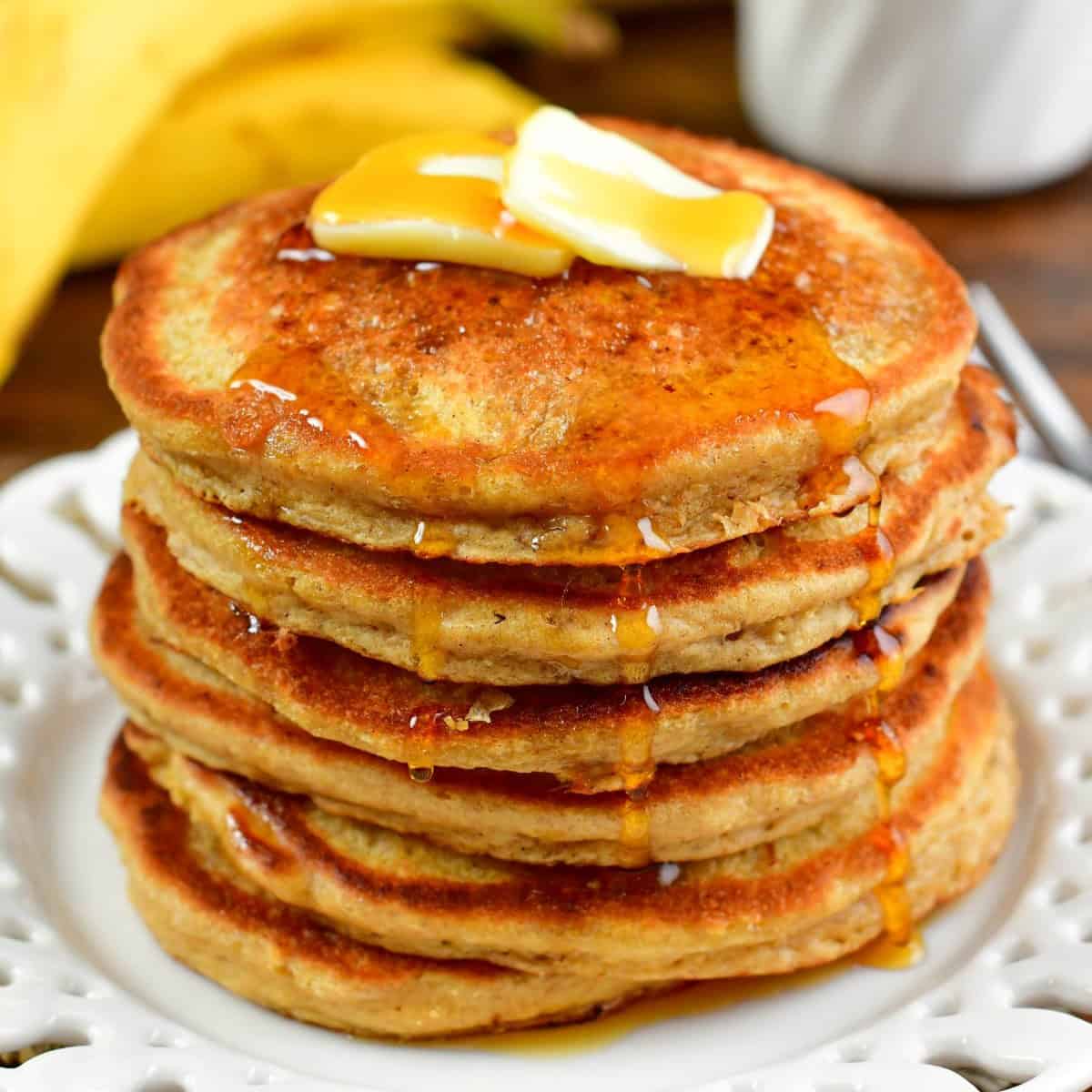
Smooth or Rustic? Customize Your Oatmeal Pancake Texture for the Perfect Breakfast
Breakfast is often hailed as the most important meal of the day, and for many, nothing beats a stack of warm, fluffy pancakes. But what if you could elevate this beloved morning classic, making it not only more nutritious but also perfectly tailored to your preferred texture? Enter
oatmeal pancakes – a versatile, energy-boosting dish that offers a surprising degree of customization, especially when it comes to how smooth or delightfully rustic you want them to be.
Far from being a mere stand-in for traditional flour pancakes, oatmeal pancakes bring their own unique charm and a host of benefits. Whether you're serving them to picky eaters who prefer a silky-smooth bite or to those who crave the hearty chew of whole grains, this guide will walk you through the simple secrets to achieving your ideal pancake experience every time.
Why Oatmeal Pancakes Are Your New Breakfast Champion
Before diving into the textural nuances, let's appreciate why oatmeal pancakes deserve a prime spot on your breakfast table. Beyond their inherent deliciousness, these oat-based flapjacks are a nutritional powerhouse, providing sustained energy that can fuel your day from start to finish.
Oats are celebrated for being rich in fiber, particularly a soluble fiber called beta-glucan. This compound is known to help lower cholesterol, stabilize blood sugar levels, and promote a healthy digestive system. Combined with a good dose of plant-based protein, oatmeal pancakes offer a breakfast that keeps you feeling fuller for longer, effectively preventing those mid-morning energy slumps. They are an excellent way to kickstart metabolism and provide complex carbohydrates for steady energy release, making them an ideal choice for busy mornings or before an active day. The simplicity of preparation, often ready to cook in mere minutes, further cements their status as a family favorite that doesn't compromise on health or flavor.
The Great Texture Divide: Blender for Smooth, Whisk for Rustic
The beauty of oatmeal pancakes lies in their incredible adaptability, primarily in how you process the oats. This single decision dictates whether your pancakes will melt in your mouth with a delicate, cake-like texture or offer a satisfyingly chewy, hearty bite. It’s truly one recipe, two delicious ways, allowing you to cater to every preference at your breakfast table.
Achieving Velvety Smooth Oatmeal Pancakes with the Blender Method
For those who cherish a delicate, almost crepe-like pancake that’s uniformly smooth, the
blender method is your go-to technique. This approach involves combining all your batter ingredients – oats, milk (or buttermilk), eggs, flour, and leavening agents – directly into a food processor or high-speed blender. The magic happens as the oats are pulverized into a fine meal, essentially creating an oat flour right in the batter.
The result is a light, airy pancake with a consistent texture that's often irresistible, especially for children or anyone who prefers to "hide" the oats without losing their nutritional benefits. The blended batter is typically ready in a matter of minutes, making it incredibly convenient for busy weekday mornings. These pancakes have a tender crumb and a subtle oat flavor, allowing them to be a fantastic canvas for various toppings from fresh berries to a drizzle of maple syrup. For a deeper dive into whipping up these velvety smooth stacks in no time, check out our guide on
Fast & Healthy Oatmeal Pancakes: Quick Blender Recipe.
Embracing the Hearty, Rustic Charm with the Whisk Method
If your palate craves texture, a delightful chew, and the wholesome presence of whole grains, then opting for a more
rustic texture is the way to go. This involves a classic simple whisking of the batter where the oats remain largely intact. Instead of blending them into oblivion, you gently mix the ingredients, allowing the oats to soften slightly but retain their distinct shape and bite.
The key to truly rustic oatmeal pancakes often lies in a short pre-soak for your oats. Letting the rolled oats sit in the liquid (milk or buttermilk) for 10-15 minutes before adding other ingredients allows them to hydrate and soften, resulting in a more tender chew without being overly tough. These pancakes boast visible flecks of oats, a satisfyingly robust texture, and a pronounced, earthy oat flavor. They feel more substantial and "homey," perfect for a cozy weekend breakfast. The rustic texture adds an extra layer of satisfaction, making each bite a delightful experience for those who appreciate the natural integrity of the oats.
Beyond Texture: Customizing Ingredients for Every Diet
The versatility of oatmeal pancakes extends far beyond just texture. This recipe is remarkably adaptable to various dietary needs and preferences, ensuring everyone can enjoy a delicious and energizing breakfast.
Gluten-Free and Dairy-Free Adaptations
For those managing food sensitivities or dietary restrictions, oatmeal pancakes are incredibly accommodating. Many recipes are designed to work perfectly with simple substitutions:
*
Gluten-Free: While oats are naturally gluten-free, cross-contamination can occur during processing. Opt for certified gluten-free rolled oats to ensure safety. For the flour component, a 1:1 gluten-free all-purpose flour blend (such as those from Kind Arthur or Bob's Red Mill) works seamlessly. These blends are specifically formulated to mimic the properties of wheat flour, ensuring your pancakes rise beautifully and maintain a great texture without anyone noticing the difference.
*
Dairy-Free: Easily swap out traditional milk or buttermilk for your favorite plant-based alternative. Almond milk, soy milk, oat milk, or even coconut milk beverages all perform excellently, often adding a subtle flavor nuance that can enhance the overall taste. If the recipe calls for buttermilk, you can create a dairy-free version by adding a tablespoon of lemon juice or apple cider vinegar to your chosen plant-based milk and letting it sit for a few minutes until it curdles slightly.
These simple adjustments ensure that
gluten-free and dairy-free oatmeal pancakes are not just an option but a delicious reality for a wide range of diets. For comprehensive tips on making these a staple in your health-conscious routine, read our article on
Gluten-Free & Dairy-Free Oatmeal Pancakes for Energy.
Choosing Your Oats: Rolled vs. Quick
The type of oats you use also plays a crucial role in the final texture of your oatmeal pancakes:
*
Old-Fashioned Rolled Oats: These are the workhorses of oatmeal pancakes. Their thicker, larger flakes hold their shape well, especially in the rustic version, providing that signature hearty chew. When blended, they create a wonderfully smooth batter. They are generally recommended for the best, fluffiest results in most recipes.
*
Quick Oats: While not ideal for a truly rustic pancake, quick oats can certainly be used if that’s what you have on hand. Because they are pre-cooked, dried, and then rolled into thinner pieces, they break down much faster. This will result in a softer, less textured pancake, even if you’re aiming for a rustic feel. They are excellent for blending if you desire an extra-smooth batter that requires minimal processing time.
*
Steel-Cut Oats: While incredibly healthy, steel-cut oats are generally too firm and unprocessed for pancakes unless you're willing to soak them for an extended period (even overnight) or process them extensively in a powerful blender. Most recipes are not designed for them.
Mastering the Batter: Tips for Perfect Oatmeal Pancakes
Regardless of your chosen texture, a few key techniques will help you achieve pancake perfection every time:
*
Don't Overmix: This is a golden rule for all pancakes. Overmixing develops the gluten in the flour, leading to tough, rubbery pancakes. Mix just until the ingredients are combined, a few lumps are perfectly fine.
*
Let the Batter Rest: Especially for the rustic version where oats need to hydrate, allowing your batter to rest for 5-10 minutes is a game-changer. This gives the oats time to soften and the flour time to fully absorb the liquids, resulting in a more tender and uniformly cooked pancake. The batter will likely thicken during this time.
*
Adjust Consistency: The ideal batter should be thick enough to hold its shape but still pourable. If it seems too thick after resting, add a splash more milk, a tablespoon at a time, until it reaches the desired consistency.
*
Proper Griddle Temperature: Cook your oatmeal pancakes on a preheated, lightly oiled griddle or non-stick pan over medium heat. Too hot, and they'll burn outside before cooking through; too cool, and they'll be pale and dry.
*
Look for Bubbles: Wait until bubbles appear on the surface of the pancake and the edges look set before flipping. This indicates the underside is golden brown and ready. Only flip once!
*
Serve Immediately: Pancakes are best enjoyed fresh off the griddle. Keep cooked pancakes warm in a low oven (around 200°F or 90°C) on a wire rack set over a baking sheet while you finish cooking the batch.
Finish your perfect stack of
oatmeal pancakes with classic maple syrup and butter, a dollop of applesauce, or get creative with fresh berries, fruit compotes, yogurt, nut butter, or even a sprinkle of cinnamon and chocolate chips.
Conclusion
Oatmeal pancakes offer a world of possibilities beyond the basic breakfast. Their inherent nutritional value, coupled with the simple ability to customize their texture from sumptuously smooth to delightfully rustic, makes them an unbeatable choice for any meal. By understanding the impact of blending versus whisking, the choice of oats, and mindful ingredient substitutions, you can consistently create a breakfast that not only satisfies your taste buds but also nourishes your body. So, next time you're craving pancakes, embrace the versatility of oats and craft a stack that's perfectly tailored to you – a delicious testament to the power of personal preference in the kitchen.